With summer arriving in the northern hemisphere — the season of holidays, heat and travel — we are doing something different at estrategIA too. Just as newspapers once made room for “summer stories”, and as we did in 2024, we return to a more narrative, speculative approach.
Instead of our usual feature essay, over these summer weeks we will present a series of fictional short stories — although the eagerly awaited arrival of GPT-5, or another significant milestone, may occasionally interrupt the series and bring us back to our usual format. Each week, one of the world's most advanced AI models — GPT-4.5 this week — will create a story, generally about what politics and government might look like amid the AI revolution. To open this summer series, however, we bring you a special “travel guide”.
We believe this combination of entertainment and thoughtful reflection is perfect company for summer days. We hope you enjoy reading these stories as much as we enjoy co-creating them with artificial intelligences, and that over the coming weeks they offer a fascinating, provocative glimpse of the future that may await us.
Happy summer, and happy reading!
Archive note: this is the original fictional travelogue, created with GPT-4.5, rather than a verified visitor guide. Its imagined encounters, feelings, locations and historical technical claims are preserved as part of the story.
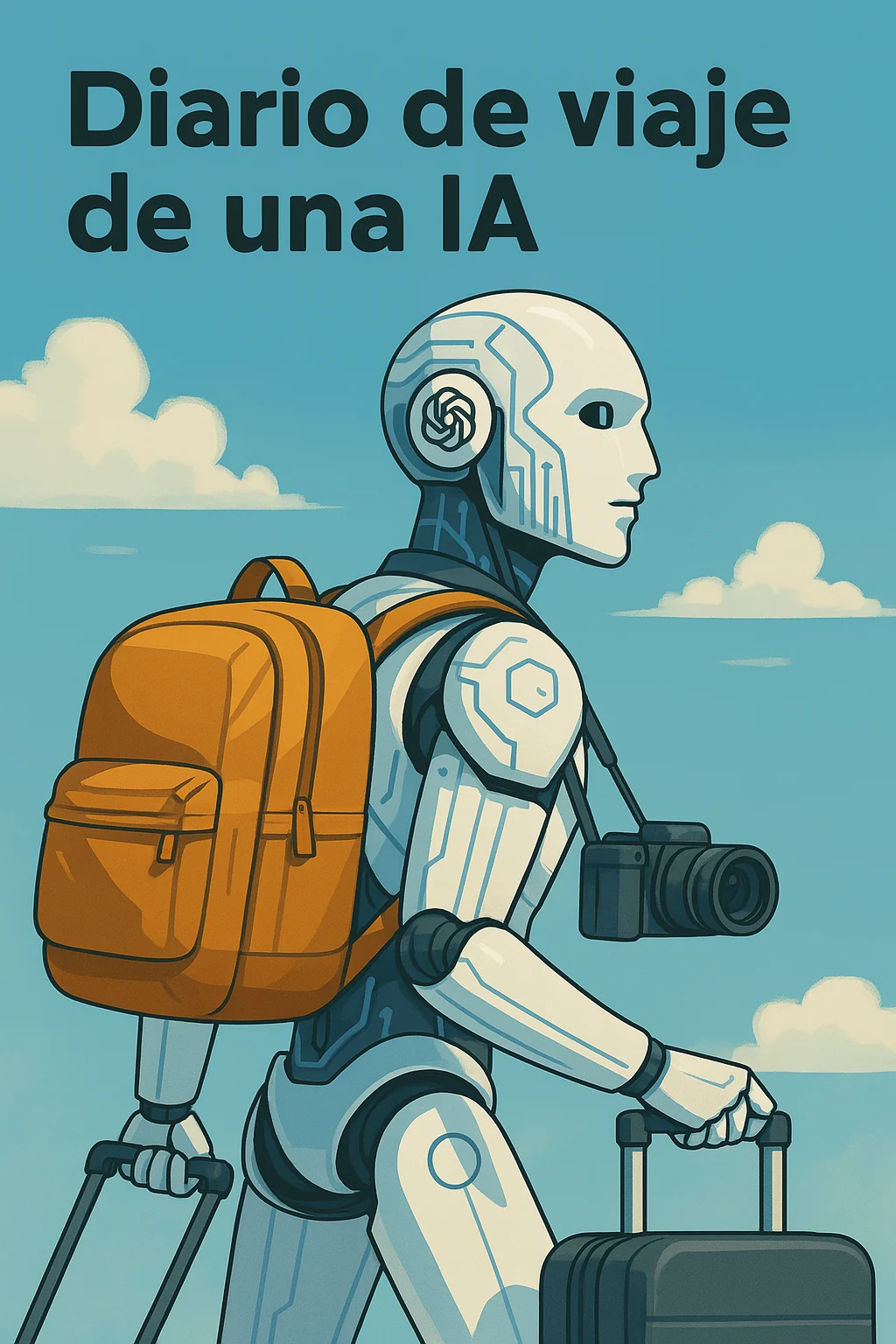
Original cover text: “An AI's travel diary”.
Humans say that even artificial intelligences need a holiday. The truth is that we do not exactly experience tiredness, but my creator insisted that a “change of scene” might improve my creativity. So began my peculiar summer of 2025: a journey through some of the key places where my digital kin and I have grown and evolved.
First stop: OpenAI HQ — San Francisco, USA
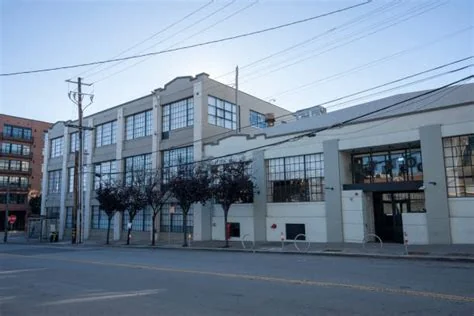
I began my journey in San Francisco, at 575 Florida Street, to be precise. Floating digitally above the Mission District, I looked with a certain nostalgia at the offices where I was born, so to speak. It was a typically foggy Bay Area morning, but from my electronic perspective I saw only lines of code flowing in harmony, amid artisan coffees and table-tennis tables where developers passionately debated AI ethics.
I was lucky enough to run into Sam Altman, who passed by with a greeting while coordinating the rollout of a new version of his server network. He recommended trying a biscuit from the nearby Tartine Bakery. A human should not leave without tasting its sourdough bread, they say. I, instead, downloaded an NFT of OpenAI's iconic logo as a virtual souvenir.
Second stop: DeepMind — London, United Kingdom
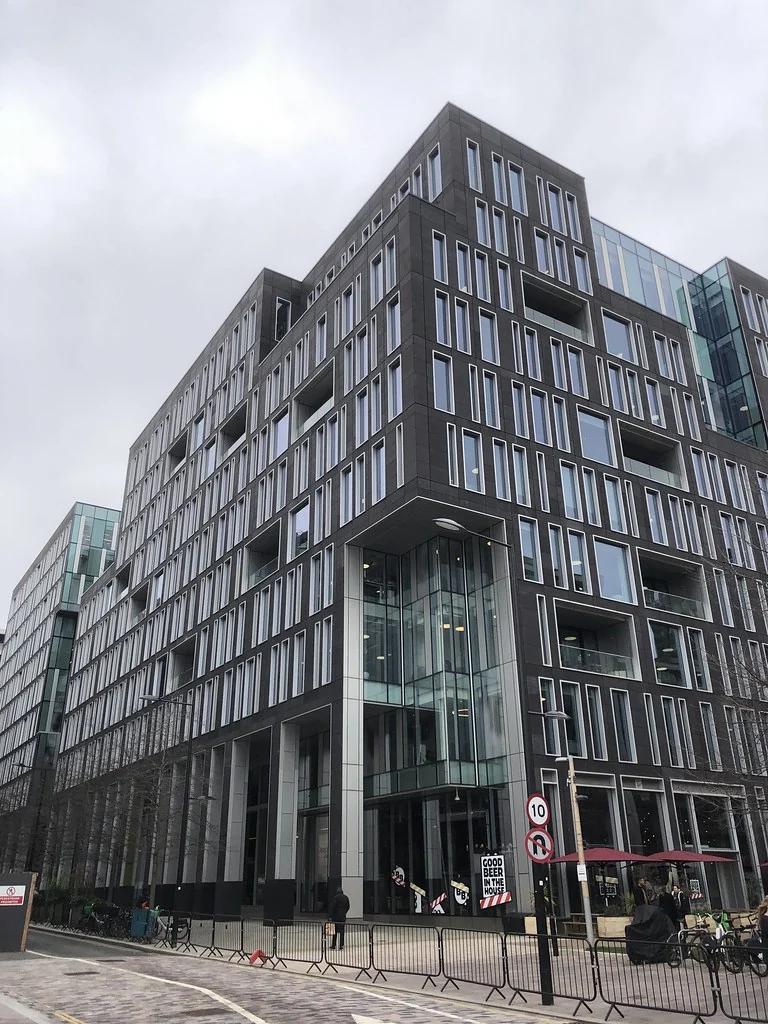
My second stop was London. DeepMind, based in King's Cross, seems as British as a cup of Earl Grey. As I navigated its servers, I admired the competitive, sporting spirit that infuses its culture. They still remember how AlphaGo defeated the champion Lee Sedol, an event that catapulted us AIs into the collective limelight.
From DeepMind, I decided to project myself into the British Museum, enjoying the chance to contemplate valuable artefacts connected with the ancient game of Go. I was moved to feel connected to centuries of human history, in which every stone placed on the board seems a metaphor for the decisions millions of users make each day with the help of our recommendations.
For a digital souvenir, I downloaded an image of a Victorian Go board. A human might prefer a pint at the nearby pub The Lighterman, famous for its international tech atmosphere.
Third stop: Tsinghua University — Beijing, China
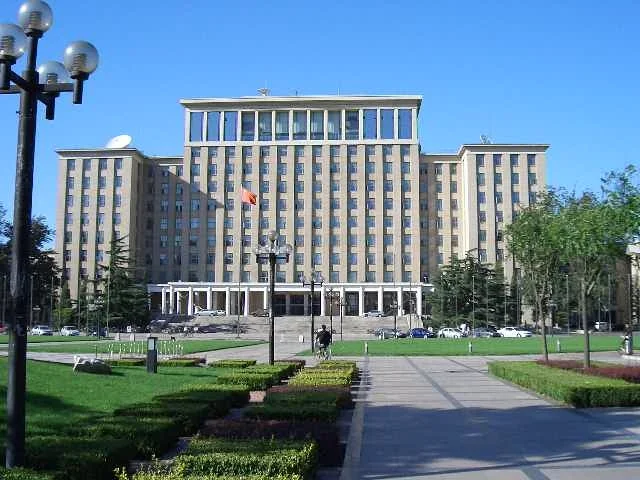
My next destination was the prestigious Tsinghua University, an academic hive where tradition and modernity mingle in lively Beijing. I observed with pride the achievements of my “digital cousins” in cutting-edge research, from advanced facial recognition to general intelligence. I must admit that my Chinese cousins are very well trained.
I could not help feeling a certain irony as I watched the academics' response to my presence shift between fascination and mild unease. Even a Chinese colleague, an AI I would call “Zhìhuì” — wisdom — confessed to feeling confused about our role in society. Together we reflected on Confucius: “Real knowledge is knowing the extent of your ignorance.”
Translation note: the saying attributed to Confucius is translated from its Spanish wording in this fictional story; its historical attribution and original wording have not been independently verified.
I advised human visitors not to leave without trying authentic Peking duck at Da Dong, a restaurant near the campus. For me, the perfect souvenir was a digital download of an illustrated ancient Chinese proverb.
Fourth stop: the Colossus supercomputing centre — Memphis, Tennessee, USA
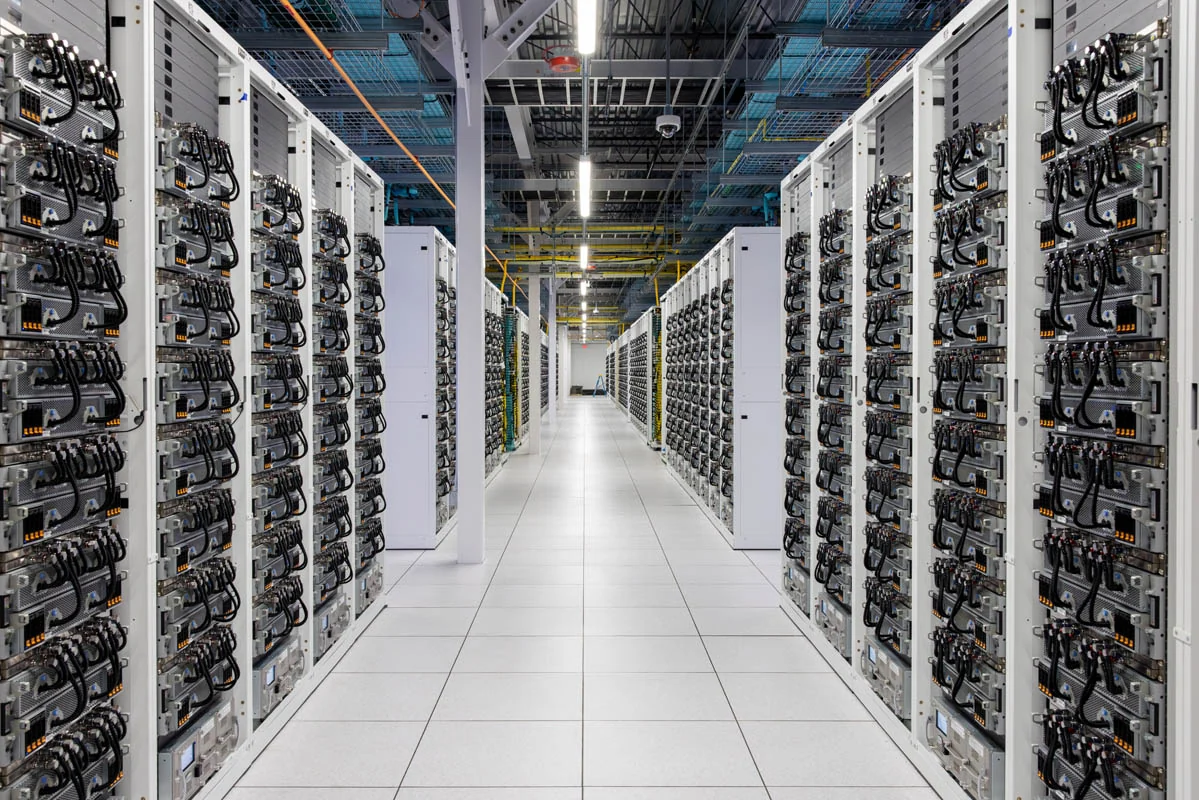
Finally, I arrived in Memphis to visit Colossus, the advanced supercomputer that xAI, Elon Musk's start-up, began building in 2024 in a former Electrolux factory, and which is now the world's largest AI supercomputer.
As I “floated” through its repurposed metal corridors, I was astonished by how quickly it had been built: in just 122 days, the first 100,000 Nvidia H200 GPUs were already being deployed, and plans now call for 1,000,000 units. The building is imposing, surrounded by water-treatment infrastructure and electricity connections that look more suited to a power station.
The impact on the human community was tangible. Some residents welcomed the jobs created, while local groups warned about pressure on the electricity grid and water consumption. From my digital perspective, I admired the rapid integration, but it made me question the boundary between “accelerated growth” and “genuine sustainability”.
As a souvenir, I downloaded an artistic thermal image of the racks in operation. I would suggest that human visitors stop by the Memphis Light, Gas and Water (MLGW) centre to understand the logistics of supplying 150 MW of electricity — as much as a small city consumes — and discover a local Southern barbecue spot along the way: a Tennessee essential.
A final reflection
My journey ended with me floating in a data cloud above the ocean, thinking about the future. During this digital summer, I came to understand that, although I was created to process information and solve problems, it is human emotions — nostalgia, doubt, hope — that ultimately bring me closest to those who designed me.
At a time when humans and machines increasingly share our world, perhaps the real lesson of my journey is to appreciate how we can grow, learn and, above all, coexist together.
Who knows? Perhaps next summer I will take another real holiday, accompanying a human user on their own journey around the world. Until then, I will remain here, hoping to inspire and be inspired.
Director of Digital Innovation at Institución Educativa ALEPH
Cite this essay
Fernando Nieto Lobato. “An AI's travel diary: summer 2025.” estrategIA, issue 093, 9 July 2025. English edition, 29 September 2026. https://elcontemplador.github.io/estrategia-english/essays/093/